These days, many people complain that they “work at a hectic pace” and “can’t find the time for long-form content.” Yet these same people spend hours consuming short videos and images on social media. For example, platforms like TikTok and Instagram Reels bring together hundreds of pieces of content that can be consumed in minutes, allowing users to browse through these short clips for hours on end. This raises an important question: Do we really lack time, or are we creating an illusion of time by turning to short-form content? This presents an intriguing time paradox created by the fast-paced consumption habits of the digital age.
On Digital Consumption Habits
In the digital age, fast consumption is reshaping not only individual habits but also societal information-gathering processes. Current statistics also highlight this shift. According to Statista data, users spend an average of 143 minutes per day on social media. This amounts to approximately 72 hours per month and indicates that people are turning to the instant gratification offered by short-form content. TikTok users spend an average of 52 minutes on the app worldwide. This popularity is diminishing the appeal of long-form content and leading to a more superficial presentation of information.
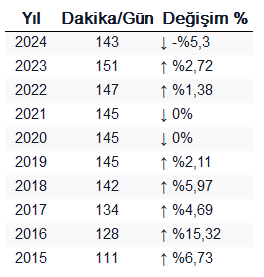
How much time do you spend on social media each day on average?
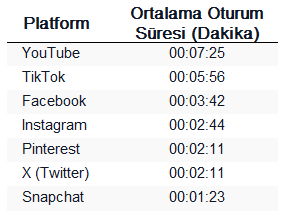
How Much Time Do Users Spend Per Session on Each Platform?
Source: https://soax.com/
Short Videos or In-Depth Content? Getting Lost in a World of Endless Short Videos
In the digital age, the attention economy operates through mechanisms that encourage the rapid consumption of content. Social media platforms are designed to constantly hold users’ attention and steer them toward consuming more content. However, this situation carries the risk of creating a long-term knowledge gap as users get swept up in the allure of short videos. Let’s take a look at the reasons behind this paradox: – The Attention Economy and Short-Term Gratification As key players in the attention economy, social media platforms steer people toward short-form content. Each short video triggers the release of dopamine in our brains, creating a sense of “reward.” This sense of short-term gratification triggers the desire to move on to the next video, and users end up spending hours without even realizing it. – Declining Attention Span According to a study by Microsoft, the average human attention span has dropped to as low as 8 seconds. This creates a fast-paced rhythm in content consumption and makes it harder to focus on long-form texts or articles. While short-form content may seem more “manageable,” it actually weakens our capacity for deep engagement, trapping us in a cycle of superficial information. – The Habit of Fast Consumption and Superficial Knowledge Short videos present information in a superficial manner and often do not provide enough space to delve deeply into complex topics. Nevertheless, ease of access and quick consumption are driving the popularity of this content. In particular, a HubSpot study reveals that 83% of people prefer to spend more time on short video content rather than a blog post or a long article. These three factors explain how they create the perception of “no time” and how consuming short-form content prevents people from gaining in-depth knowledge. So, what might the long-term effects of this be?
The Advantages of Long-Form Content and the Disadvantages of Short-Form Content Consumption
While short videos and fast-consumed content provide instant information and entertainment, they have certain limitations when it comes to knowledge accumulation and the process of deep thinking. Advantages of Long-Form Content – Provides In-Depth Knowledge: Long-form content is essential for understanding complex ideas, grasping context, and building a more solid foundation of knowledge. For example, a scientific study or an in-depth analysis offers the reader the opportunity to evaluate a topic from different perspectives. – Develops Critical Thinking and Analysis: Long-form content nurtures the reader’s critical thinking and analytical skills. This type of content encourages the reader to question an idea, reflect on it, and evaluate alternative viewpoints. – Creates Lasting Knowledge: Reading deeply about a topic leads to more lasting retention in the brain’s long-term memory. It is well known that short, fast-paced content is often forgotten quickly. Disadvantages of Consuming Short Content – Provides Superficial Information:Content consumed quickly is often superficial and lacks important details. This can hinder a deep understanding of the subject. – Reduces Attention Span: Constantly consuming short videos and fast-paced content can lead to an even shorter attention span. This can make it difficult to tackle long-term projects or tasks that require in-depth reading. – Weakens Critical Thinking:While short content makes it easy to access information quickly, it can make it harder to develop a critical perspective. Since this content is typically consumed quickly, it causes users to move on to the next piece of content without the opportunity for deep reflection. Considering that long-form content allows readers to develop deeper knowledge and understanding and reinforces their critical thinking skills, it is clear that the habit of rapid consumption based on short-form content can be limiting, particularly for individuals working in knowledge-based industries.
Content Consumption Recommendations Supported by Statistics
While the heavy consumption of short videos and fast-paced content is often accepted as a natural consequence of the digital age, it is still possible for individuals to make their information consumption more efficient. Current statistics also reveal that the consumption of short-form content has become widespread, making it necessary to seek a balance in digital content. My recommendations on this topic are: – Review Your Social Media Usage Time Today, the time spent on social media platforms is an unnoticed drain on time for many users. According to Global Web Index data, 40% of users plan to reduce the time they spend on social media. To manage this, you can monitor your social media usage using screen time tracking tools built into your devices or third-party apps. – Set Aside 15 Minutes Each Day for In-Depth Reading Instead of getting overwhelmed by digital content, make it a habit to read a long article or a book during a specific time slot each day—this will enrich your learning process. According to a study by the American Press Institute, people spend an average of 17 minutes a day reading news and long-form content. By increasing this time, you can contribute to your knowledge base every day. – Practice an “Information Detox” for Mindful Consumption To avoid the negative effects of constant exposure to information, it can be helpful to do an “information detox” from time to time. By turning off social media apps for a day or a few hours, you can give your mind a rest and create more space for in-depth learning. This increases your concentration span, making your mental capacity better prepared for long-form content. – Balance Your Consumption of Short and Long-Form Content Short-form content may be entertaining and quick, but without the support of long-form content, knowledge retention suffers. Data from the Pew Research Center shows that younger generations tend to gravitate toward short-form content; therefore, it’s important to develop a strategy that balances both short- and long-form content. For example, you could aim to read a long article after consuming each short video. These recommendations help you consume digital content more mindfully, enabling you to approach information in a more balanced way. Striking a balance between the immediate insights from short content and the in-depth knowledge from long-form content paves the way for consuming information more efficiently and meaningfully in the digital age.
The Future of Digital Content Consumption and a Call for Awareness
The fast-paced consumption culture of the digital age is profoundly affecting the way we access and evaluate information. Millions of short videos are watched every day; our minds are filled with instant gratification from fast-consumed content, yet our knowledge base may remain superficial. At this point, we need to ask ourselves: Do we really “have no time,” or do we need to rethink the way we access information? It’s certainly easy—and sometimes inevitable—to get swept up in the allure of short-form content. However, delving deeper into information is of great importance for our professional and personal development. By balancing the time we spend on digital platforms and making room for longer-form content, we can build our mental well-being and knowledge base on a stronger foundation. The suggestions discussed in this article can serve as a starting point for making our digital consumption habits more productive and balanced. By considering the benefits of both short and long-form content, we can begin taking small steps toward accessing information more mindfully. Our information consumption habits determine how we understand the world and shape our lives. Instead of getting caught up in fast-paced consumption, we can develop a deeper and more lasting understanding by taking the time to engage with high-quality information.