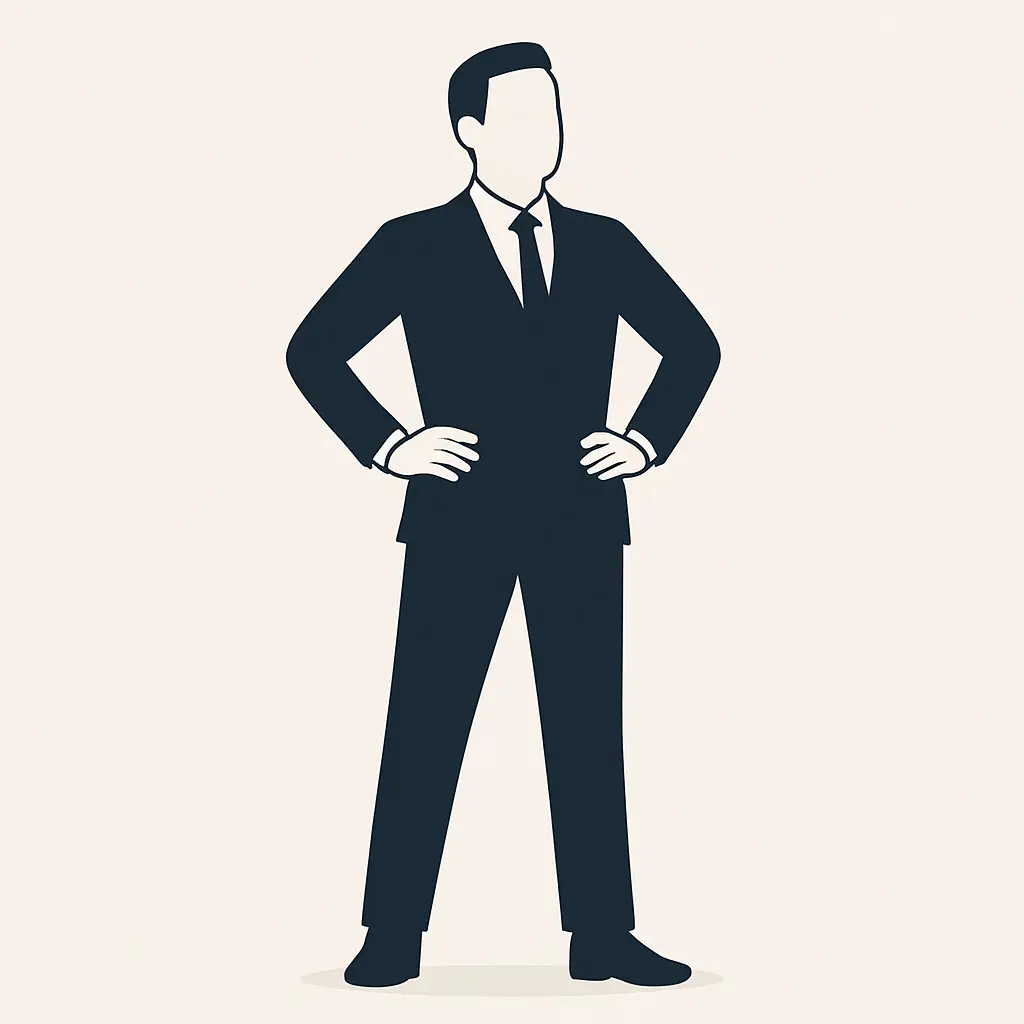
Words sometimes fall short, but the body never lies. Body language conveys powerful messages to others through your posture, gaze, and movements. In this article, you’ll explore the silent communication between body and mind, the physical manifestations of emotions, the psychological effects of a confident posture, and the role of body language in leadership. Get ready to enhance your communication skills with examples, tips, and mindfulness exercises.
Our bodies speak a language beyond words. The droop of our shoulders, the sparkle in our eyes, the direction of our hands… All of these reveal our state of mind, whether consciously or unconsciously. In fact, we engage in a “silent conversation” at every moment. And this conversation is often more effective than our spoken words.
In this article, we’ll explore the power of our body language, how it reflects our emotions, and how it can help us unlock our potential.
The Silent Communication Between Body and Mind
At a café, your friend sits down at the table. Their back is straight, their gaze is direct, and they’re smiling at you. They haven’t said a single word yet, but they’re conveying: “I’m happy, I’m here.” In the same space, someone else sits with slumped shoulders and eyes cast downward. Without even asking, you understand: “They’re tired or feeling down.”
- The person sitting upright in a meeting = a poised, confident posture.
- The person with slumped shoulders = an impression of being tired, disinterested, or down.
Body language is like a wordless alphabet that our minds automatically interpret.
Physical Manifestations of Emotions
Our emotions have a physical counterpart. When we get angry, our fists clench; when we’re excited, our breathing quickens; when we’re sad, our heads droop.
- Anger: Clenching fists, tightening the jaw, furrowing the brows.
- Excitement: Dilated pupils, increased hand movement.
- Sadness: Drooping shoulders, gaze shifting downward.
This awareness makes it easier for us to regulate ourselves and understand others.
The Psychological Impact of a Powerful Posture
When we change our body, our feelings change too. Science calls this “biological feedback.”
- In a study conducted by Amy Cuddy at Harvard, participants who adopted a “power pose” (hands on hips, chest out, standing tall) felt more powerful just two minutes later, and a decrease in stress hormones was observed.
That’s why standing tall before an important meeting or smiling at yourself in the mirror isn’t just a gesture—it’s a mental preparation technique.
Body Language in Leadership and Persuasion
Great leaders leave their mark not only through their words but also through their body language. When speaking, having palms facing upward conveys a sense of openness and sincerity to the listener. Eye contact reinforces trust.
- A leader giving a presentation who walks the stage with slow, deliberate steps creates a sense of command.
- Showing the palms of your hands conveys the message, “I’m being honest with you.”
The Physical Signs of Stress
Sometimes we unconsciously reveal our stress.
- Constantly twirling a pen
- Tapping a foot
- Gripping a bag tightly
These are signals from our body’s “protective shield.” Breathing exercises or shoulder-relaxation movements can help reduce these signals.
Unlocking Potential Through Physical Movement
Taking a short walk when creativity hits a wall clears the mind. Body awareness exercises boost energy, especially during teamwork. Dancing or rhythmic movements both strengthen social bonds and boost self-confidence.
- A 5-minute stretch before a brainstorming session
- A short walk before a meeting
Cross-Cultural Differences
The same gesture can carry different meanings across cultures.
- In Japan, bowing signifies respect.
- In some Western countries, excessive bowing may be perceived as a lack of confidence.
- The duration of a handshake varies by culture.
This awareness is a powerful advantage in international communication.
And the Result: The Power Beyond Words
Body language is not only the key to communication but also to self-confidence, leadership, and self-awareness. When you reinforce the power of your words with your body, your message reaches much deeper.
Remember, sometimes a single glance can convey more than an entire conversation.